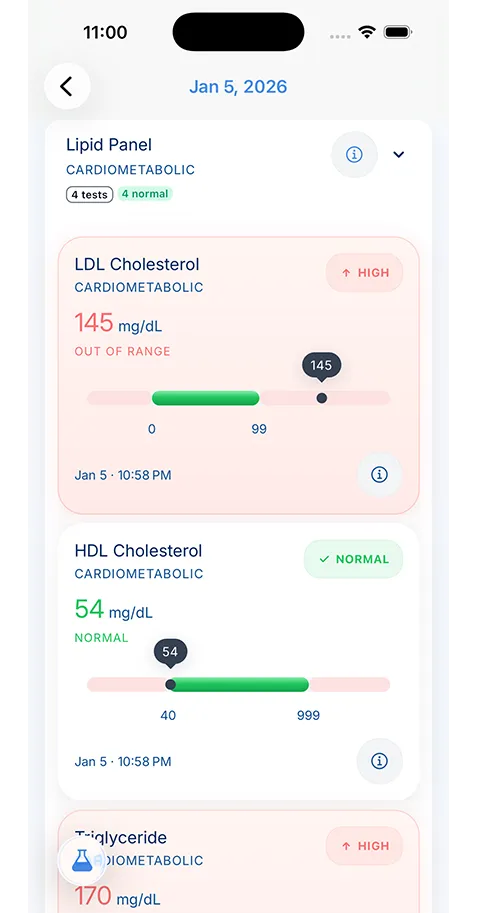

HIPAA applies to covered entities such as healthcare providers, health plans, and healthcare clearinghouses, along with certain business associates that handle protected health information on their behalf.
HIPAA Matters Because It Sets the Rules Inside Healthcare
Patients hear the word HIPAA so often that it can start to sound like a catchall for every privacy question in medicine. In reality, HIPAA has a specific job. The HHS Summary of the HIPAA Privacy Rule explains the federal rules for how certain healthcare organizations and their partners use, disclose, and safeguard protected health information.
That matters because most people interact with the healthcare system through those organizations. Your doctor’s office, hospital, health insurer, and many of the vendors working on their behalf operate inside that framework. When those organizations handle your identifiable health information, HIPAA shapes what they can do, what notices they owe you, and what rights you have to access your own record.
If you want HIPAA explained for patients in one sentence, it is this: HIPAA governs privacy and access inside much of the formal healthcare system, but it does not cover every place your health information may appear.
Health Information Privacy: What HIPAA Protects
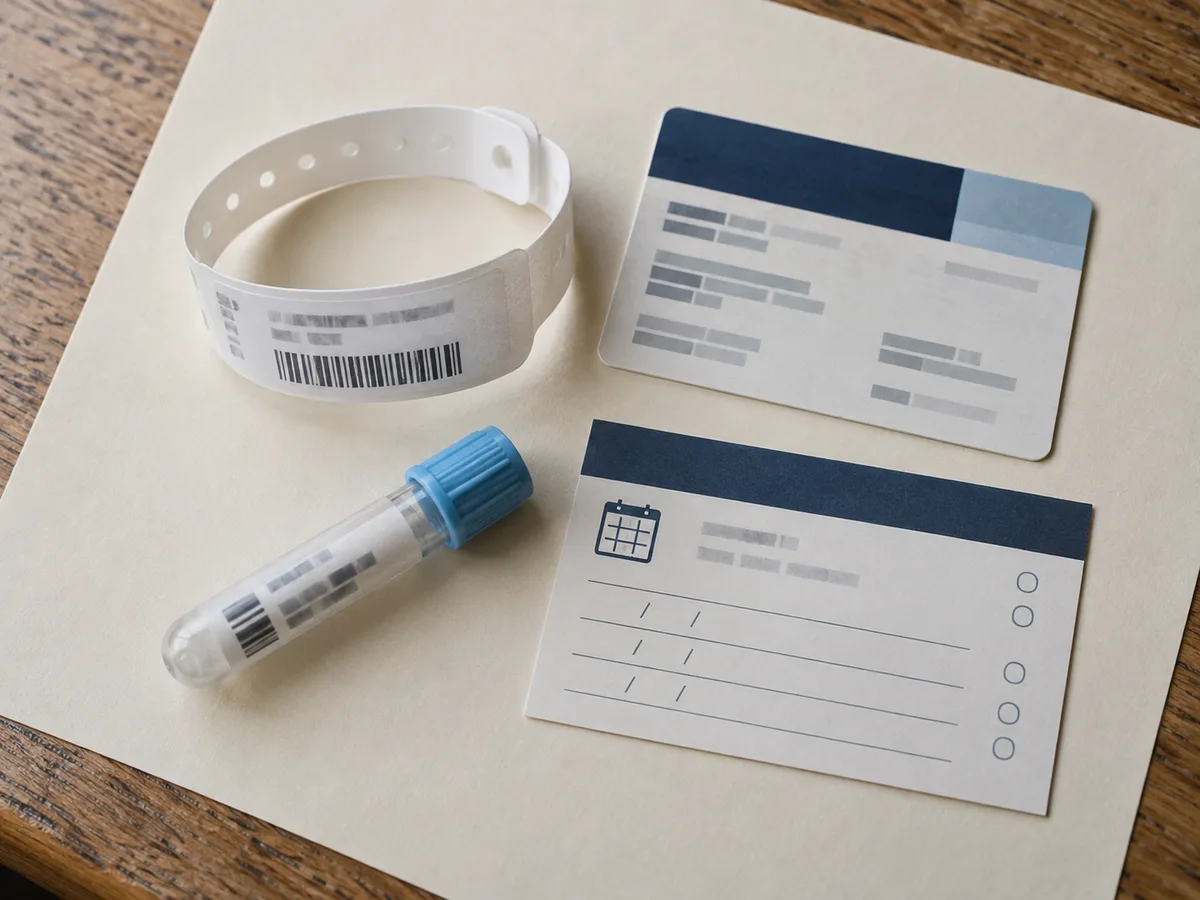
PHI is health information tied to an identifier: a name, a birth date, a record number.
HIPAA protects what the law calls protected health information, often shortened to PHI. That includes health information tied to identifiers such as your name, date of birth, address, insurance details, medical record number, or other information that can connect the data to you.
In practice, that means many of the records you expect: diagnoses, medications, test results, billing records, appointment notes, referrals, and communications about your care. HIPAA also shapes when providers can share information for treatment, payment, and healthcare operations without asking you each time.
Patients often feel the effect of HIPAA through privacy notices and release forms, but the law also matters when you want a copy of your records or when you believe information was handled in a way that violated your rights.
Who Must Follow HIPAA, and Who Does Not
The law applies to covered entities such as healthcare providers, health plans, and healthcare clearinghouses, along with certain business associates that handle PHI on their behalf. That is the core group.
Who HIPAA binds
Covered, or not
The label "health app" does not bring HIPAA with it. Outside the covered group the rules are different, not absent.
Must follow HIPAA
- Healthcare providers Doctors, clinics, hospitals, pharmacies
- Health plans Insurers and employer health plans
- Healthcare clearinghouses The billing intermediaries you never see
- Business associates Vendors that handle PHI for the groups above
Usually outside HIPAA
- Most consumer health apps Symptom trackers, period apps, wellness platforms
- Fitness trackers Steps, sleep and heart-rate data
- School health records Usually under education privacy law instead
- Employer records Sick notes and accommodations held by HR
- Your own notes and files The record you keep yourself
Outside HIPAA, ask the harder questions yourself: where the data is stored, who it is shared with and how you delete it.
This is where many patients get confused. HIPAA does not cover every place health-related information appears. A consumer app, fitness tracker, general wellness platform, school record, or employer record may sit outside HIPAA even if the information feels deeply personal. The FTC has warned that some health apps collect sensitive information without falling under the privacy model people expect from hospitals and clinics.
That does not mean those services operate in a legal void. It means the rules are different, and the label “health app” does not guarantee HIPAA protection. This is why patients should think carefully about health data privacy outside traditional healthcare channels.
HIPAA Includes Access Rights, Not Only Privacy Rules

The same law that limits disclosure gives you a right to copies.
Many patients think of HIPAA as a law that stops disclosure. It does more than that. HIPAA also supports your right to inspect or obtain copies of your records in many situations.
That piece matters because privacy without access would leave patients shut out of their own information. If you need your records for a second opinion, a specialist visit, family coordination, or long-term recordkeeping, HIPAA helps frame that request. It does not make every office efficient, but it does mean the request is grounded in a real right.
If you want to go deeper on the access side, our guide to patient medical records rights explains how the law works in practice when you are requesting records, asking for amendments, or dealing with incomplete portal access.
Your HIPAA Rights at a Glance
The HHS guide to your rights under HIPAA lists what you can ask of a covered provider or health plan. In short, you have the right to:
- See and get a copy of your health records.
- Have corrections added when you believe something in your record is wrong or missing.
- Receive a notice of privacy practices that explains how your information may be used and shared.
- Decide on uses that need your permission, such as marketing.
- Get a report of disclosures showing when and why your information was shared for certain purposes.
- Ask for limits on how your information is used or shared, and ask to be contacted at a different phone number or address.
- File a complaint with the provider, the health plan or HHS if you believe your rights were denied.
Where Patients Get HIPAA Wrong
The most common HIPAA mistake is using it as shorthand for “all privacy law.” People say an app “must be HIPAA” because it handles symptoms, or they assume a school nurse record is automatically covered the same way a hospital chart is. That is not how the law works.
Another common mistake is assuming HIPAA blocks every use of health information unless you sign a form first. The law allows sharing for treatment, payment, and many healthcare operations without separate permission each time. Patients may dislike some of those uses, but that is different from the law being absent.
A third misunderstanding is thinking HIPAA solves the consumer tech problem. It does not. If you enter sensitive information into a service outside the covered-entity world, you still need to know how that service stores, shares, and protects your data.
A fourth is assuming HIPAA says how long your records must be kept. It does not set any retention period for your chart, only a six-year rule for privacy paperwork. State law decides, and the answer ranges from five years to 26. Our 50-state study of how long hospitals keep medical records has the number for your state.
What HIPAA Means for Personal Record Tools

A record on your own device is not a covered entity’s chart. The tool’s storage model still matters.
When you keep your own record, the legal picture shifts. A personal health record on your own device is not the same thing as a hospital chart held by a covered entity. The tool you choose still matters because the company’s storage model, permissions, and sharing practices affect your privacy in real ways.
That is why patients comparing apps should look beyond the phrase “HIPAA compliant.” Ask where the data lives. Ask who can read it. Ask whether the company stores the record by default or whether you control the main copy. Ask how exports, deletion, and backup work.
If you are comparing a true secure medical records app with a generic cloud workflow, those questions matter more than the marketing language. KeepMD fits into that discussion as a patient-controlled tool designed around local-first recordkeeping, including an offline medical records app workflow for people who want access without depending on a portal session. The relevant point is not that HIPAA somehow stops mattering outside the clinic. The point is that your privacy decisions continue after the clinic, and the tool should respect that.
How Patients Should Use HIPAA Knowledge in Real Life
HIPAA becomes useful when you treat it like a practical guide instead of a vague warning label. If you need records, ask for them. If a privacy notice seems confusing, ask what the organization means. If an app handles health information, do not assume HIPAA covers it. Ask harder questions about sharing, storage, and permissions.
This also helps when care gets messy. If you are switching providers, using portals plus personal records often gives you better control than relying on one system alone. If you are building your own record, the broader benefits of digital health records become easier to appreciate once you understand which parts of your privacy depend on law and which parts depend on your own choices.
The Point Is Clarity
HIPAA still matters because it sets the rules for much of formal healthcare. Patients should know that. They should also know what HIPAA cannot do for them. It cannot make every office efficient. It cannot force every consumer app into the same framework. It cannot replace basic privacy habits or thoughtful app selection.
What it can do is give you a clearer map. It tells you where your rights start, which organizations owe you privacy duties, and why consumer health tools deserve their own scrutiny. That clarity helps patients make better decisions long before the next privacy notice lands in the mail.
That clearer map also helps with day-to-day record decisions. Once you understand which systems fall under HIPAA and which ones do not, you start asking better practical questions about where your files live, who can see them, and how you want to store information that keeps coming up in family life. That might include lab reports, medication lists, hospital paperwork, or vaccine proof kept in an immunization history app instead of scattered across screenshots and portal logins.
For most patients, that is the real value of HIPAA literacy. It does not turn you into a lawyer. It helps you move through care with better judgment. You know when the law gives you leverage, when an app deserves extra caution, and when your own recordkeeping habits matter just as much as the rules on paper.